

Years experience
Start with the right school—and confirm it’s eligible for your plan.
Canada requires that most study permit applicants have a letter of acceptance from the school they’ll attend, and the school must be a designated learning institution (DLI). Make DLI confirmation a non-negotiable step during shortlist building.

Best Visa Guidance Resources

Transparent Process

Our Services
Expert Guidance For Canada Admissions & Visa Planning


Canada College Selection
Explore Canadian universities and programs that match your academic and career plans, eligibility and interests.



PGWP & Future Planning
Understand post-graduation opportunities, work eligibility, and future pathways after completing your studies in Canada.

Study Permit Support
Understand post-graduation opportunities, work eligibility, and future pathways after completing your studies in Canada.
Simple visa process
Get Your Canada Visa In Three
and easy steps
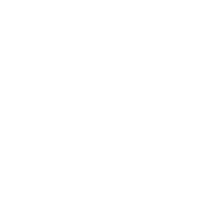

Pick an Eligible Institution
Canada requires that most international students applying for a study permit first obtain a Letter of Acceptance (LOA) from a recognized Canadian educational institution. This letter is one of the most important documents in the study permit application process because it confirms .

Study permit coordination
Applicants need a "Letter of Acceptance", a "Provincial or Territorial Attestation Letter (PAL/TAL)" in cases (or Quebec’s CAQ), proof of identity, and evidence of financial support showing they can cover tuition and living expenses.

Application & Visa Coordination
Unipath Connect can help organise your document checklist and application timeline, while immigration advice and representation should be provided by authorised professionals. We work closely with immigration lawyers and consultants who can guide you through the visa process.
Question & Answer
Quick answers to common queries
IRCC states a provincial/territorial attestation letter is needed “in most cases”; Quebec applicants typically need a CAQ.
IRCC lists multiple acceptable proof types (e.g., paid tuition/housing evidence, bank statements, GIC, loan), and publishes living expense guidance that is updated.
If eligible, IRCC states you can work up to 24 hours/week during classes and unlimited hours during scheduled breaks (with conditions).
IRCC notes spouses/common-law partners of some international students may be eligible for an open work permit, depending on program and eligibility rules.
Program length (≥8 months), PGWP-eligible DLI, full-time status during studies (with limited exceptions), and application within 180 days are core requirements in IRCC guidance.

How It Works
Your Journey In 4 Simple Steps


Discovery & Goal Mapping
Canada requires that most study permit applicants have a letter of acceptance from the school they’ll attend, and the school must be a designated learning institution (DLI).


Program Shortlisting
For many students, the Post-Graduation Work Permit (PGWP) is a key part of their Canada study plan. Eligibility generally requires graduating from a PGWP-eligible institution, completing a program of at least 8 months, and applying within 180 days of program completion.


Application Preparation
We help organise your academic records, supporting documents, and application timelines to reduce errors and ensure submissions stay on track.


Next-Step Planning
Canada’s published rules state that eligible international students can work off campus up to 24 hours per week during regular terms, and unlimited hours during scheduled breaks if conditions are met. This affects budgeting and can be used responsibly in your financial plan.